A fifth of the world's electricity goes to lighting. Today's LEDs and OLEDs are made in extremely expensive vacuum facilities, contain metals from environmentally damaging mining, and are in practice impossible to recycle.
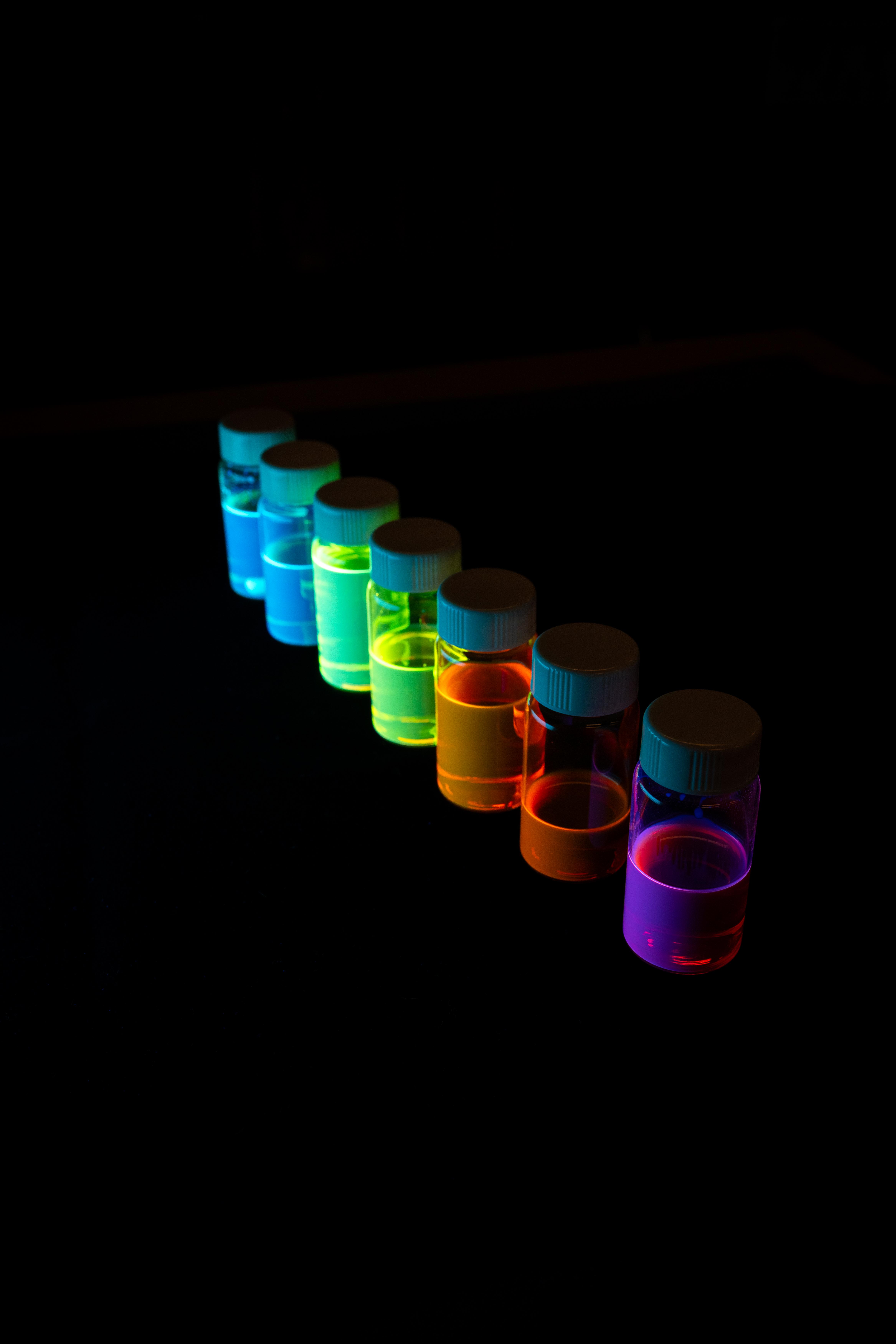
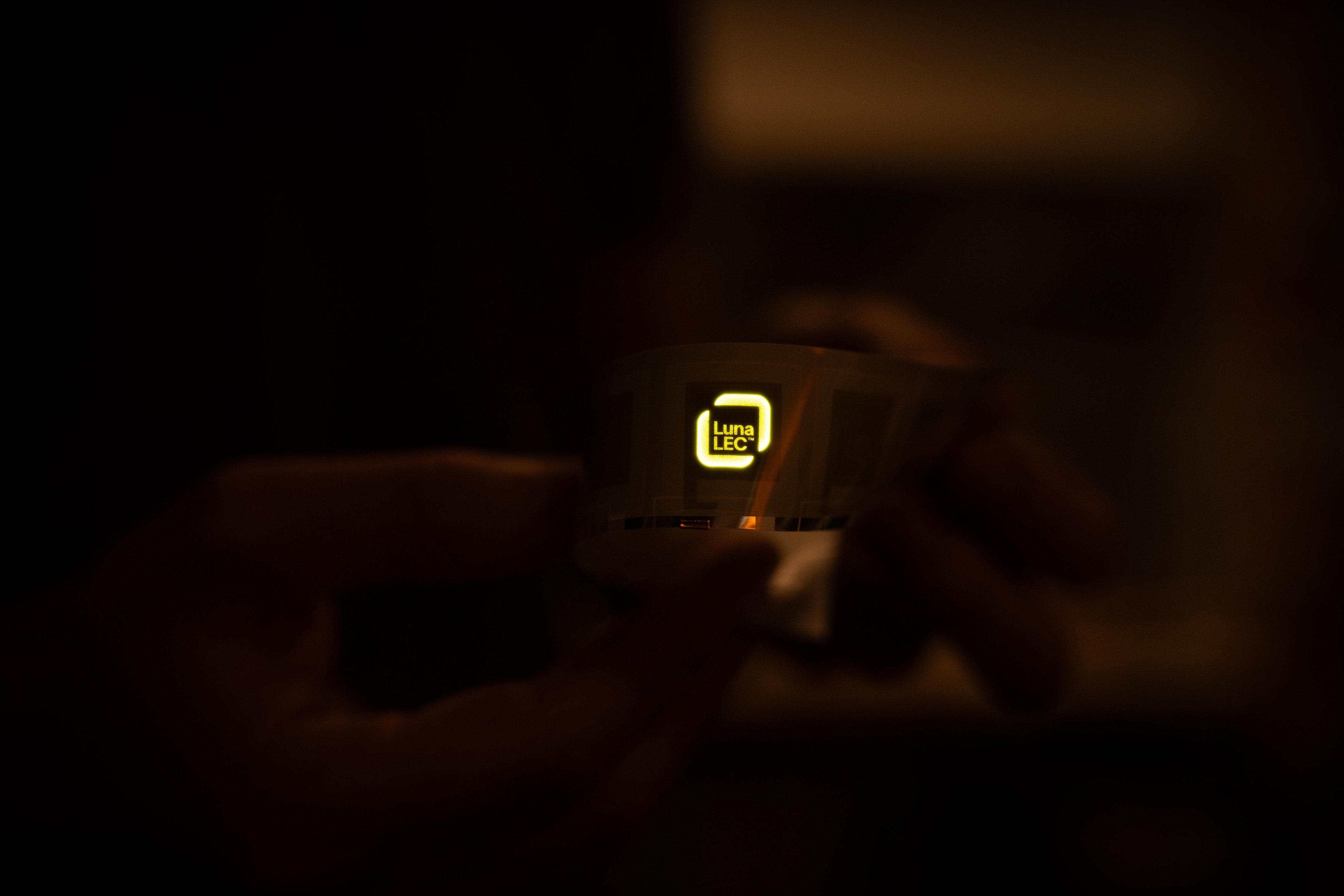
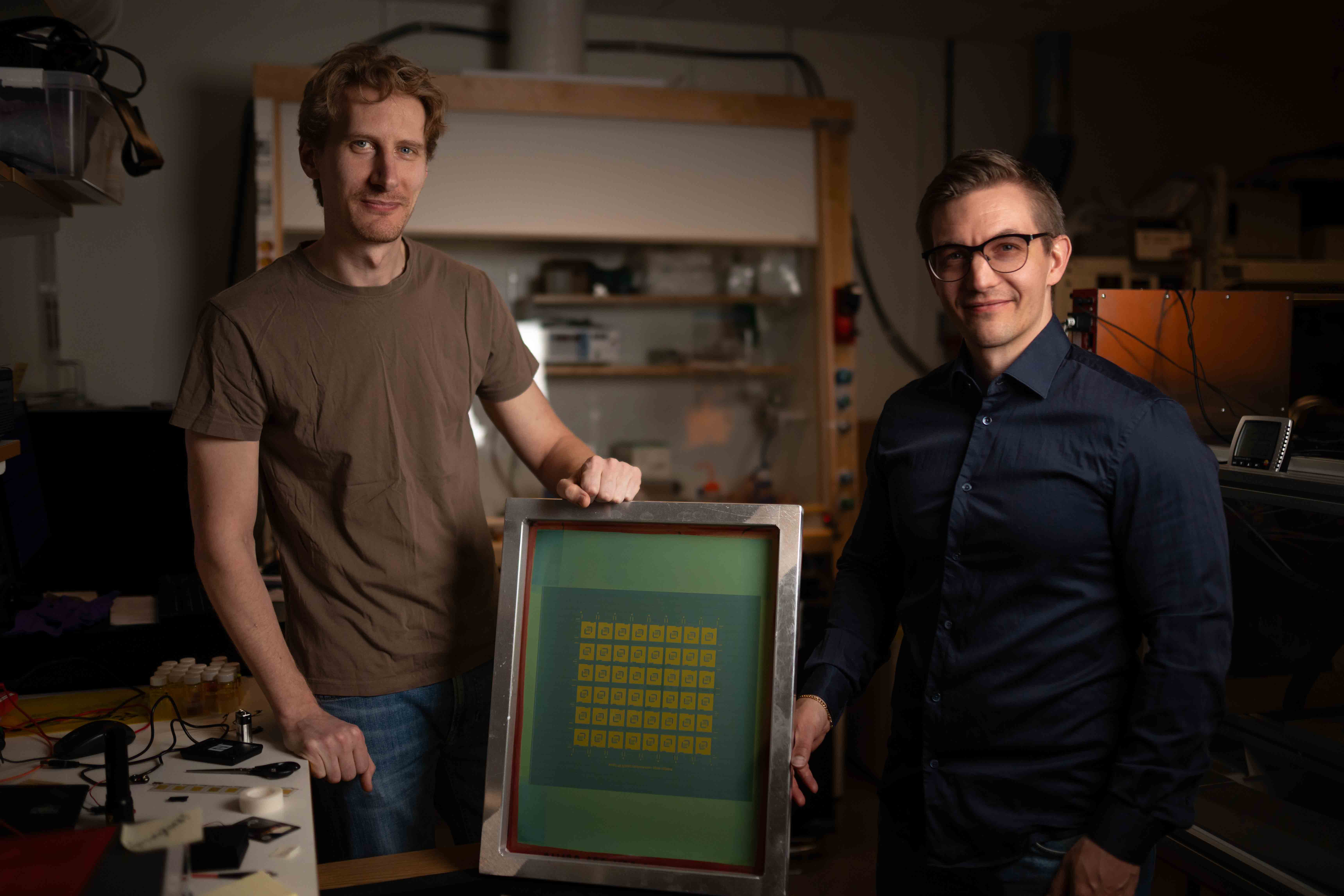
LunaLEC rests on thirty years of research at Umeå University, in Ludvig Edman's group. Their light source, a light-emitting electrochemical cell, works roughly like a solar cell in reverse and has fewer layers than an OLED. It can be printed roll to roll at room temperature, like a newspaper, and can be made entirely free of critical raw materials. The technology has been published in Nature Communications and Edman has been awarded an ERC Advanced Grant of EUR 2.5 million. The project is on IVA's 100 list.
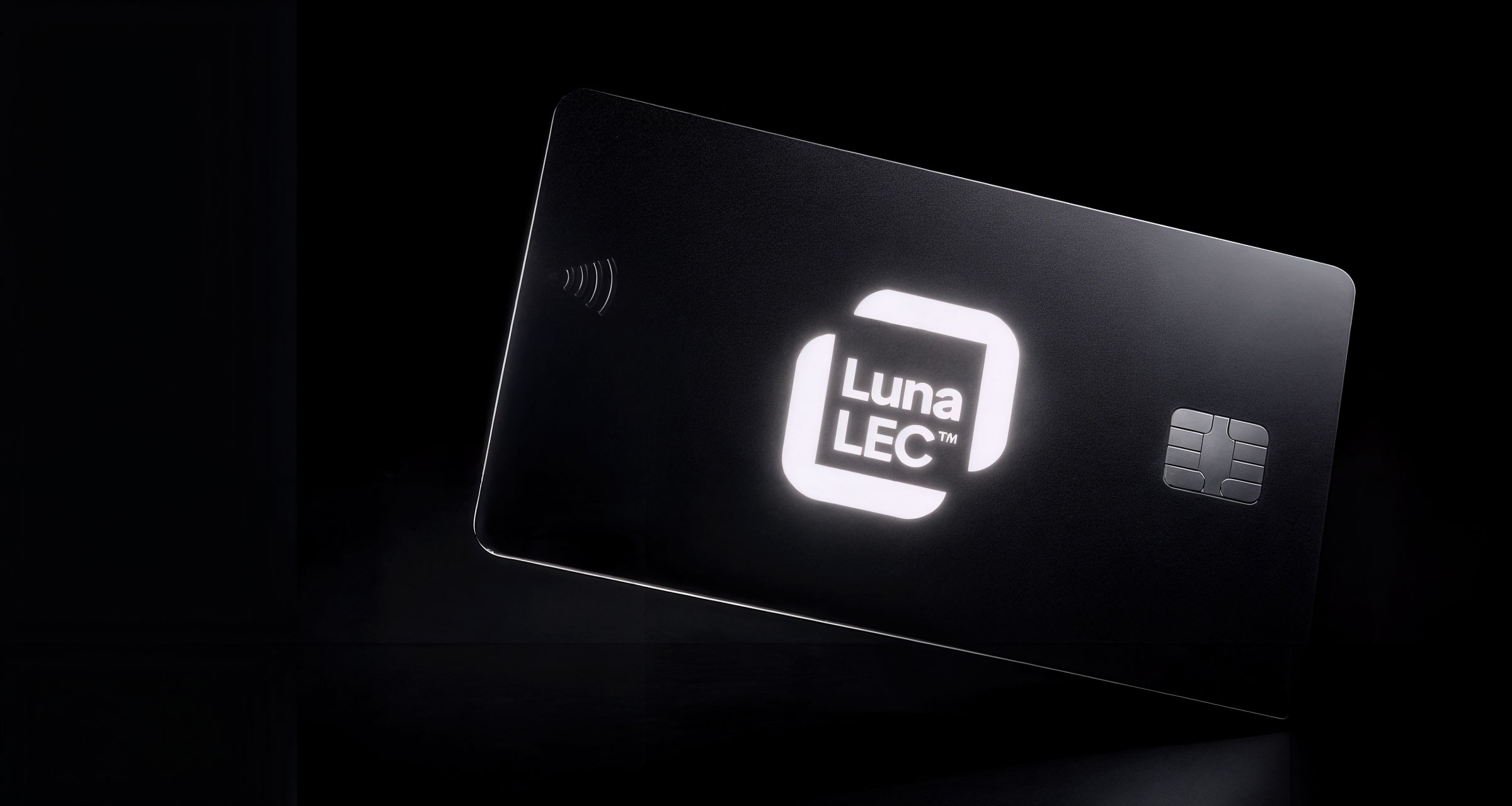
The applications are more specific than general lighting. Glowing blankets for treating newborn jaundice at home. Medicine packaging that lights green or red depending on whether the dose has been taken. And a light effect unique to the technology and hard to copy, which makes it interesting as an authenticity marker in ID documents and banknotes. A central bank has already been in touch. The next step is going from lab scale to industrial production.