First published in Breakit 13 dec 2025, kl 11:01
Branding is an important part of company building, not least for entrepreneurs. There are many AI tools that facilitate brand development, but if everyone uses AI, the question becomes: how do you become unique when everyone looks the same?
Jakob Nylund has worked with design and brand development both as an entrepreneur and for giants like LEGO, Google, Netflix, and Adidas. Today he is a partner at Disruptive Ventures where he supports early-stage tech companies on their brand journey. Here are his best tips for entrepreneurs on how to build a brand in an AI-driven world.
I work daily with startups trying to navigate their early growth journey. Disruptive Ventures is a hands-on investor, which means we don't just provide capital – we help companies practically with product, commercialization, strategy, and brand building.
One of the most common requests we receive from small Swedish tech companies is help with branding. That might sound surprising. Why would an early-stage company, with limited resources, spend time on something as abstract as brand building?
Branding is the compass that helps people find their way in a landscape filled with solutions, buzzwords, and promises of innovation. For small tech companies, clear branding is often the difference between being perceived as a serious alternative or drowning in the noise.
AI enables mass production
Thanks to AI, what previously required creatives, strategies, and lengthy processes can now be generated in seconds. Logos, tone of voice, taglines, pitch decks, and content – everything can be mass-produced. The result is paradoxical: it has never been easier to create a brand, but it has also never been harder to build one that feels unique.
As automation increases, expressions become more homogeneous. The colors, phrasings, and narratives start to resemble each other. The visual landscape flattens out. The messages become polished but soulless. Small companies that rely too heavily on AI in their initial expressions therefore risk sounding like anyone else.
And this is where we see an important shift – from aesthetics to trust.
In an AI-driven world, where everyone looks more or less the same, it becomes more important to trust the person you buy from, invest in, and choose to work with. People want to know that there is thought, intention, and integrity behind the technology. When everyone can produce professional material, authenticity becomes hard currency.
Should branding focus on the founders?
In the early phase, it is therefore a great advantage to show the people behind the company. The founders become a guarantee of direction and accountability. They carry the values, they make the decisions, they have the visionary drive. In an AI-flooded market, they serve as a human anchor. This creates trust, especially when the technology is complex and the product is new.
But – and this is crucial – the more the company scales, the more important it becomes to shift the focus from individual to story.
AI makes it easy to borrow expressions, but impossible to borrow soul. A sustainable brand needs to stand on an idea that survives the people. It's about building a narrative that explains why the company exists, what problem it solves, and what change it wants to create. A storyline that is consistent, both internally and externally, and that grows with the organization.
The founders can be door openers. The story is what keeps the door open.
The larger the company becomes, the more important it is that more voices can carry the brand. When salespeople, product teams, customer support, and partners can all speak the same language, scalability is created. It becomes clear what the company stands for, even when the founder is not in the room.
AI has made branding more accessible, but also harder. It places higher demands on clarity, values, and humanity. Small tech companies that understand this can use AI as a powerful accelerator, without losing the authenticity that sets them apart from the crowd.
It's no longer enough to look good – it has to feel genuine. And for that, you need people and a credible story.
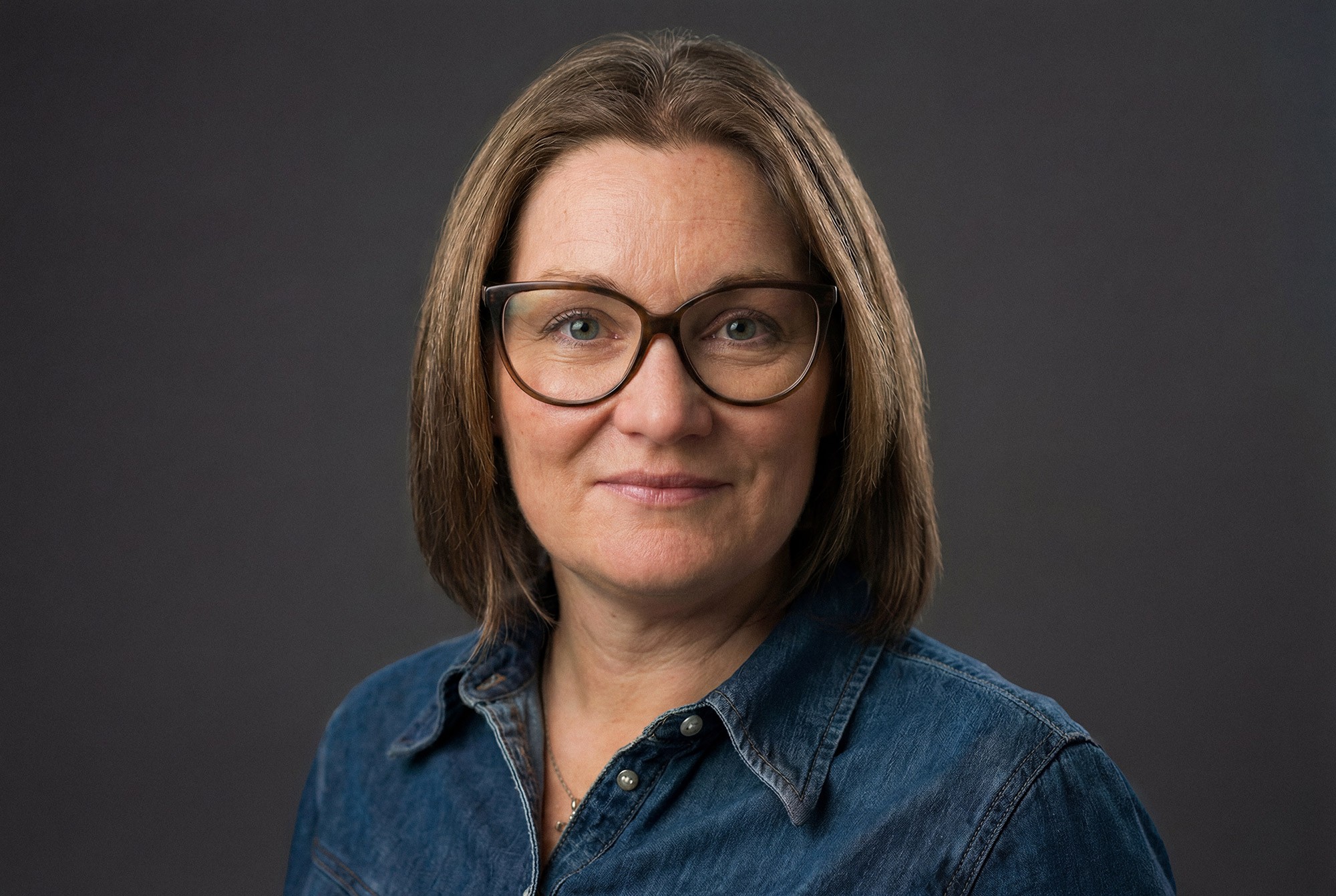
JAKOB NYLUND, Partner and Creative Director at Disruptive Ventures with responsibility for brand development.
Läs mer